
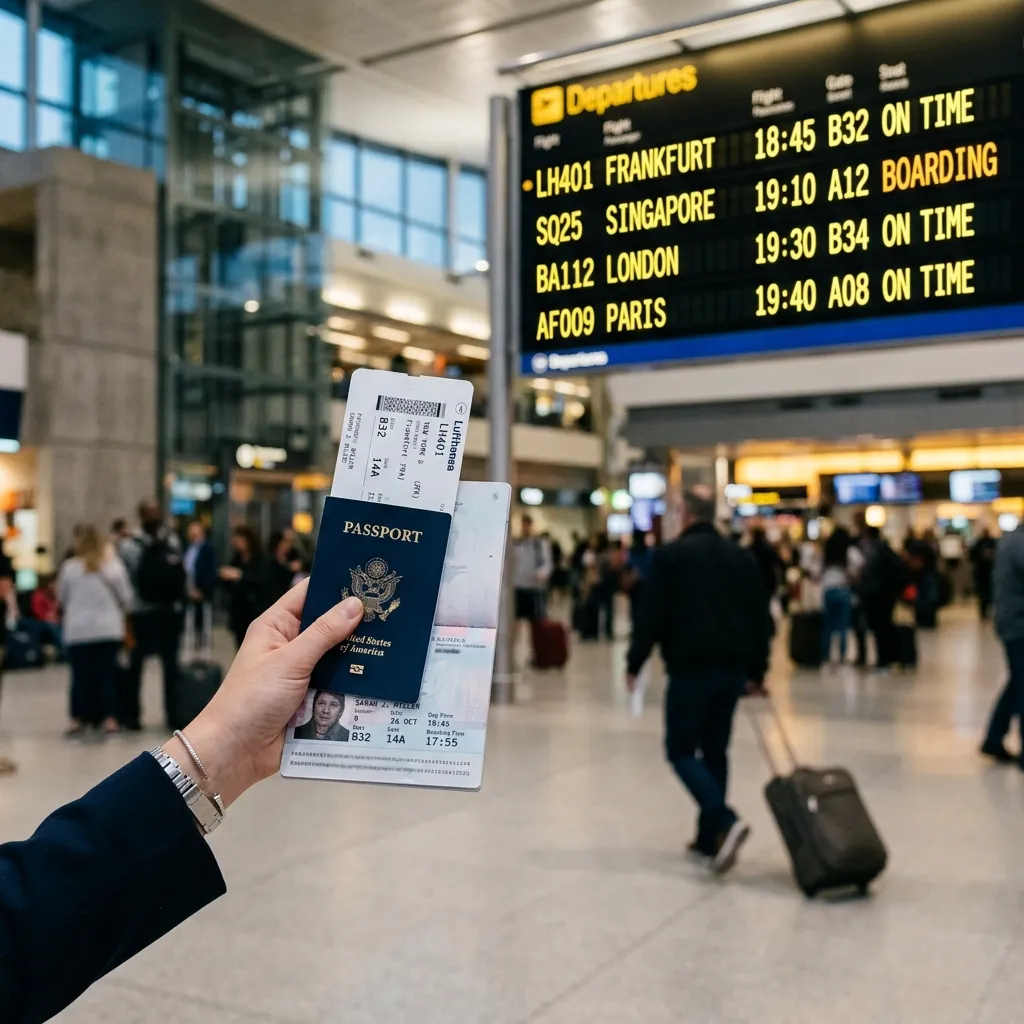
Crossing an international boundary always requires a massive amount of planning, even when the destination is physically just a short drive across a bridge. For American citizens, heading north frequently feels incredibly casual due to our deeply shared language and cultural similarities. However, understanding our essential guide to canada travel advisories is absolutely crucial before you ever pack your bags or start your engine.
Assuming that the rules are identical to domestic travel is the absolute fastest way to get your entire vacation completely derailed at the customs booth. The Canadian government strictly enforces highly specific border rules regarding exactly who can enter, what items can physically cross the line, and what documentation is required. Let us break down everything you need to know to ensure a completely seamless, stress-free crossing.
Understanding Current Canada Travel Advisories
Before you even begin booking hotels or buying train tickets, your very first step must always involve checking the official threat levels. Geopolitical situations, severe weather events, and sudden public health mandates can trigger rapid changes in travel recommendations. Ignoring these vital warnings frequently voids standard trip cancellation insurance policies completely.
Generally speaking, Canada consistently maintains a highly secure, incredibly stable environment for international tourists. The US State Department frequently categorizes it under the lowest possible threat tier, meaning you only need to exercise standard, normal safety precautions. You can actively monitor these specific threat levels on the official US State Department dashboard.
Seasonal and Environmental Alerts
While massive geopolitical threats are extremely rare, environmental advisories are incredibly common, particularly in the western provinces. During the peak summer months, British Columbia and Alberta frequently experience massive, rapidly spreading wildfires that can drastically reduce air quality and force sudden highway closures.
Conversely, the harsh winter months routinely bring severe blizzard warnings that can completely isolate remote ski resorts and small towns. Before finalizing your seasonal itinerary, definitely consult our essential packing guide for cold weather to ensure you are physically prepared for extreme temperature shifts.
Required Documentation for Crossing the Border

The days of simply flashing a basic driver’s license and waving at the border guard are completely over. Whether you are driving, flying, or taking a massive cruise ship, strict identification laws are heavily enforced. Showing up unprepared will absolutely result in you being immediately turned away at the checkpoint.
For US citizens travelling by air, a valid, current passport book is strictly required; absolutely no exceptions are made. If you are crossing by land or sea, you can technically use a Passport Card or a highly specialized Enhanced Driver’s License (EDL), but carrying a full passport book is always the safest, most flexible option.
Electronic Travel Authorizations (eTA)
A massive point of confusion for many international travelers is the Electronic Travel Authorization requirement. If you are a US citizen, you are fully exempt from needing an eTA. However, if you are a lawful permanent resident of the US (holding a Green Card) arriving by air, you absolutely must apply for an eTA prior to boarding your flight.
Failing to secure this electronic document will result in the airline completely denying you boarding at your departure gate. You can apply for this document directly through the Government of Canada travel portal. If you find the airport experience stressful, review our detailed guide on navigating international airports smoothly.
Strict Border Rules on Permitted Items

The Canada Border Services Agency (CBSA) operates with zero tolerance regarding prohibited and restricted items. Attempting to cross the border with banned materials, even accidentally, can result in massive financial fines, immediate confiscation of your vehicle, and a permanent ban from ever entering the country again. You must pack meticulously.
Firearms are heavily restricted and, in many cases, completely banned. Handguns are strictly prohibited for tourists, while hunting rifles require highly specific, pre-approved documentation and massive fees. It is generally much easier to simply leave all firearms securely at home.
Navigating Alcohol and Tobacco Limits
If you plan on bringing celebratory drinks to your ski cabin, you must adhere strictly to the personal exemption limits. You are generally allowed to bring either 1.5 liters of wine, 1.14 liters of liquor, or 24 standard cans of beer completely duty-free. Anything exceeding these exact limits will be heavily taxed at the border booth.
Furthermore, while cannabis is completely legal federally within Canada, taking it across the international border in either direction is a massive federal crime. Absolutely never attempt to cross the checkpoint with cannabis products, even if you are travelling from a legal US state. For a complete list of restricted items, always consult the official CBSA website.
Criminal Admissibility and DUI Laws

This is arguably the most critical and frequently misunderstood aspect of entering the country. The Canadian government treats Driving Under the Influence (DUI) offenses incredibly seriously. A single DUI conviction, even if it happened decades ago and was considered a minor misdemeanor in your home state, can render you completely inadmissible to Canada.
If you possess any criminal record whatsoever, you must aggressively research your specific legal standing before booking any non-refundable flights. You may be required to apply for Criminal Rehabilitation or a Temporary Resident Permit (TRP) well in advance, a deeply complex legal process that can take many months to resolve.
The Importance of Travel Insurance
If you are denied entry at the border, you are entirely responsible for the massive costs associated with returning home immediately. Your standard domestic health insurance is also largely useless if you experience a medical emergency while in a foreign country.
We emphatically recommend securing comprehensive coverage before your departure. Read our extensive breakdown on understanding international travel insurance to guarantee you are fully protected financially against denied entry, medical emergencies, or sudden advisory shifts.
People Also Ask (FAQs)
Navigating international boundaries naturally generates a significant amount of anxiety and highly specific logistical questions. Here are the practical, deeply researched answers you need to guarantee a flawless, completely stress-free border crossing.