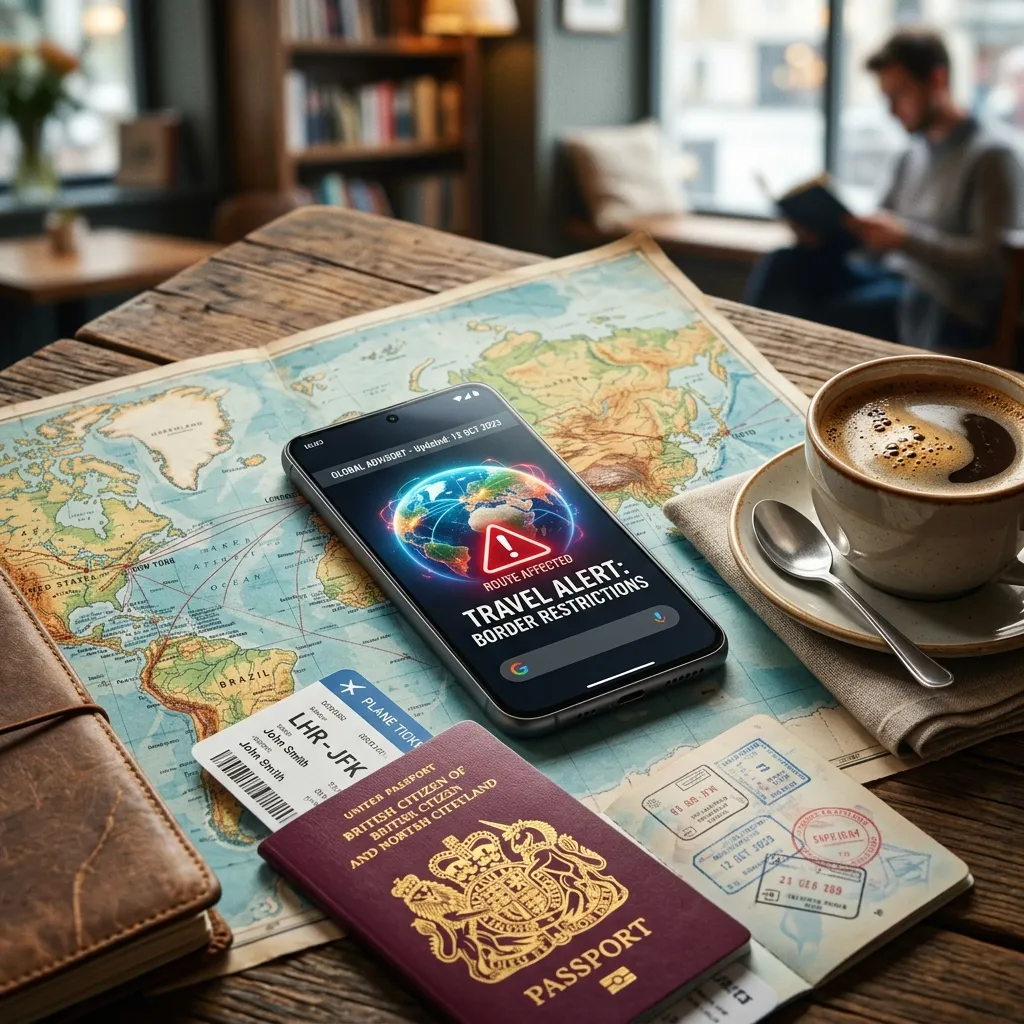
Planning an extended journey to South Asia requires a highly strategic approach to safety and logistics. Recently, the news that india joins us travel advisory monitoring systems has understandably caught the immediate attention of millions of international tourists and global business travelers.
Navigating these complex government warnings is an absolutely critical component of responsible trip preparation. Whether you are actively planning a deeply spiritual retreat along the Ganges, a high-stakes corporate trip to Mumbai, or a comprehensive cultural tour through Rajasthan, staying hyper-informed is incredibly vital.
Being thoroughly prepared ensures you can fully enjoy your international adventure while actively mitigating potential hazards. This expertly curated, comprehensive guide will walk you through exactly what this recent advisory means for your upcoming itinerary.
Understanding Why India Joins US Travel Advisory Systems

It is crucial to understand that the fact that india joins us travel advisory evaluations does not necessarily mean the entire massive subcontinent is suddenly unsafe for general tourism. The US State Department continuously, rigorously evaluates every single nation worldwide based on a highly complex, deeply nuanced matrix of security factors.
This complex matrix meticulously analyzes regional crime statistics, the potential for localized civil unrest, and ongoing, shifting geopolitical tensions. Because India is an incredibly vast, profoundly diverse country both geographically and culturally, the active security situation can vary wildly from one specific state to the next.
Consequently, an official advisory update is primarily designed to provide nuanced, highly specific localized intelligence rather than enforcing a blanket, nationwide travel ban. By taking the necessary time to deeply understand these regional assessments, you can actively avoid sudden complications and ensure a smooth journey.
Decoding the Four-Tier Threat Level System
Federal agencies consistently utilize a highly structured, localized four-tier system to communicate threat levels quickly and effectively to the general public. Level 1 simply means exercising normal safety precautions, while Level 2 advises travelers to exercise increased caution due to specific, documented risks.
Level 3 strongly urges citizens to reconsider travel, and Level 4 is the strictest warning, flatly advising citizens not to travel due to severe, life-threatening risks. Knowing exactly which specific tier applies to your target destination within India fundamentally changes how you pack, plan, and protect yourself.
Key Regional Threats for International Travelers
When monitoring international threat levels, identifying specific regional hotspots is arguably the most important step in the planning phase. For example, while major metropolitan areas might only carry a routine precaution level, specific, isolated border regions frequently carry much stricter warnings.
Savvy travelers rapidly adjust their daily itineraries based on these verifiable, real-time government intelligence reports. Ignoring these warnings can lead to unexpected, costly delays or potentially highly dangerous situations.
Border Tensions and Restricted Zones
Areas near the international border with Pakistan, particularly within the union territory of Jammu and Kashmir, routinely experience significant geopolitical tension. Because of this historical instability, these specific regions almost always fall under strict Level 4 “Do Not Travel” advisories.
If your intended itinerary currently includes any areas officially flagged as high-risk restricted zones, you must immediately revise your route. Choosing to ignore these severe warnings frequently voids standard travel insurance policies and removes any guarantee of immediate consular assistance.
Navigating Major Urban Centers

Conversely, major economic hubs like Mumbai, Bengaluru, and New Delhi typically operate under a much more standard Level 2 “Exercise Increased Caution” status. This specific rating is incredibly common globally and is frequently assigned to major European capitals as well.
In these bustling, heavily populated areas, the primary identified risks revolve around opportunistic petty crime, such as pickpocketing in crowded markets, and sudden, localized transportation strikes. Remaining highly vigilant in crowded areas and securing your passport rigorously is your absolute best defense.
Health, Weather, and Environmental Factors
Beyond traditional geopolitical security concerns, health-related notices and extreme weather events are a massive component of ongoing advisory updates. Regional health risks, severely compromised air quality, and sudden, fast-spreading viral outbreaks must be taken incredibly seriously by all inbound travelers.
Ensuring that you have guaranteed, rapid access to professional medical care and proper preventative medicine is absolutely critical. This preparedness is a foundational aspect of your long-term international trip planning strategy.
Managing Monsoon Season Risks
India is famous globally for experiencing incredibly extreme environmental conditions, particularly during the intense, highly disruptive annual monsoon season. These massive natural events frequently trigger immediate, localized embassy alerts and severe travel warnings due to widespread infrastructure damage.
Flash flooding and sudden landslides can instantly sever vital transportation routes in mountainous regions, leaving tourists completely stranded. Travelers must actively factor these severe environmental advisories into their immediate, daily travel plans and remain flexible.
Critical Health Guidelines from the CDC
The Centers for Disease Control and Prevention routinely, meticulously updates its specific guidance for the subcontinent based on current disease transmission rates. Always heavily consult the official CDC India Portal several weeks before booking your flights.
Consistently keeping your routine vaccinations fully updated is essential for international travel. Furthermore, you must deeply understand specific regional health risks, such as malaria and dengue fever, which are prevalent during the humid monsoon months.
Proactive Travel Safety Strategies

When you are thousands of miles away from your home base, you are uniquely vulnerable to sudden local emergencies and transportation failures. Simply [INTERNAL-LINK: preparing your vital visa applications] well in advance is honestly only half the battle.
Adopting a deeply proactive approach to monitoring these evolving advisory systems ensures that you avoid unexpected localized lockdowns and severe infrastructure disruptions. It actively allows you to secure a safe, stable environment well before any potentially hazardous situation rapidly escalates.
Embassy Registration and STEP
The absolute most effective way to stay fully informed when an advisory suddenly escalates is to enroll in the Smart Traveler Enrollment Program (STEP). This vital, free service directly links your exact travel itinerary with the local US Embassy in India.
By registering your trip, you effectively guarantee that you will receive immediate, priority push-notification alerts directly from consular officials regarding unfolding security situations. It also dramatically speeds up emergency assistance in the event of a lost passport.
Comprehensive Travel Insurance Requirements
Never, under any circumstances whatsoever, travel internationally without comprehensive, high-tier travel insurance coverage. Severe medical emergencies overseas can instantly bankrupt an unprepared traveler, as domestic health plans very rarely provide comprehensive international coverage.
Ensure your chosen policy specifically covers costly emergency medical evacuation and trip cancellation due to unexpected advisory shifts. We strongly suggest reading our detailed guide on [INTERNAL-LINK: choosing the ultimate international travel insurance] for verified, highly rated recommendations.
People Also Ask (FAQs)
Being thoroughly, meticulously prepared is unequivocally the ultimate key to a highly successful and deeply memorable international trip. Below, we have carefully compiled and clearly answered some of the most frequently asked questions regarding the fact that india joins us travel advisory monitoring.