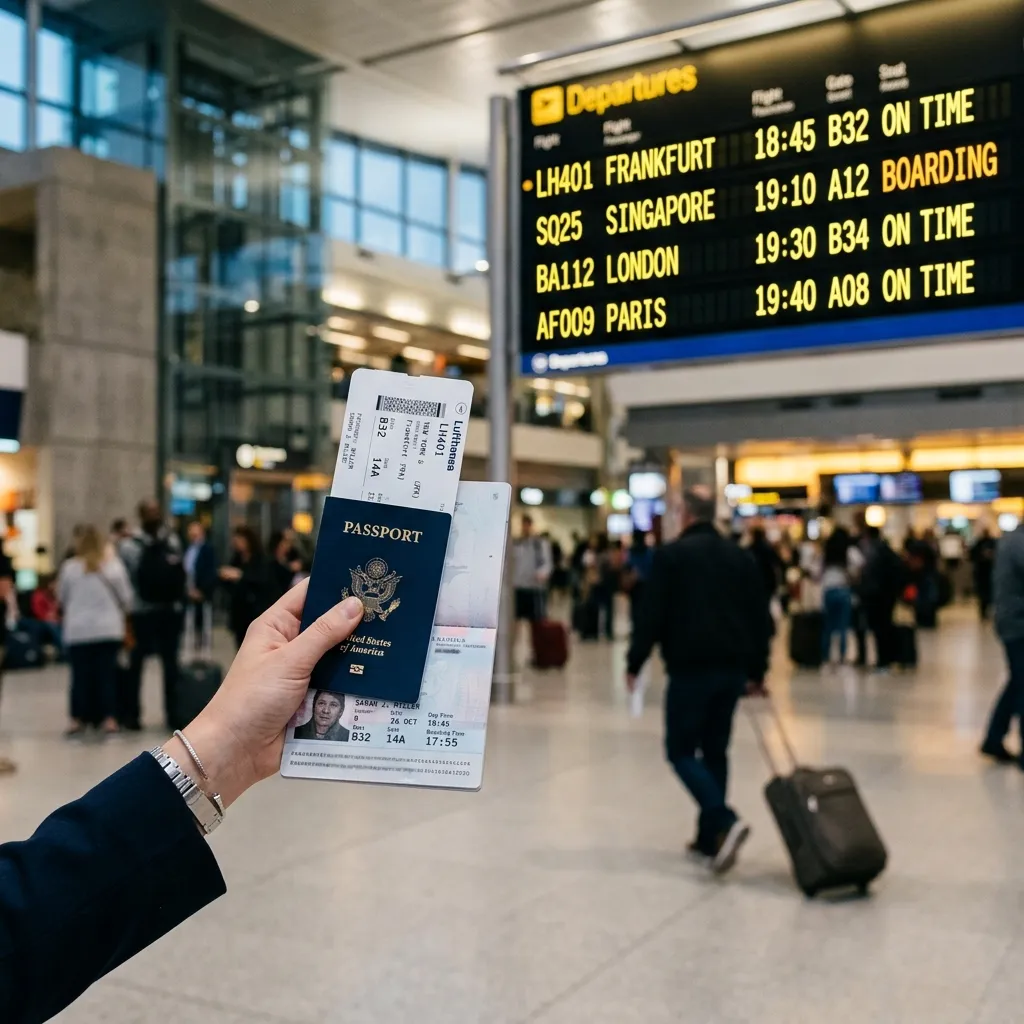
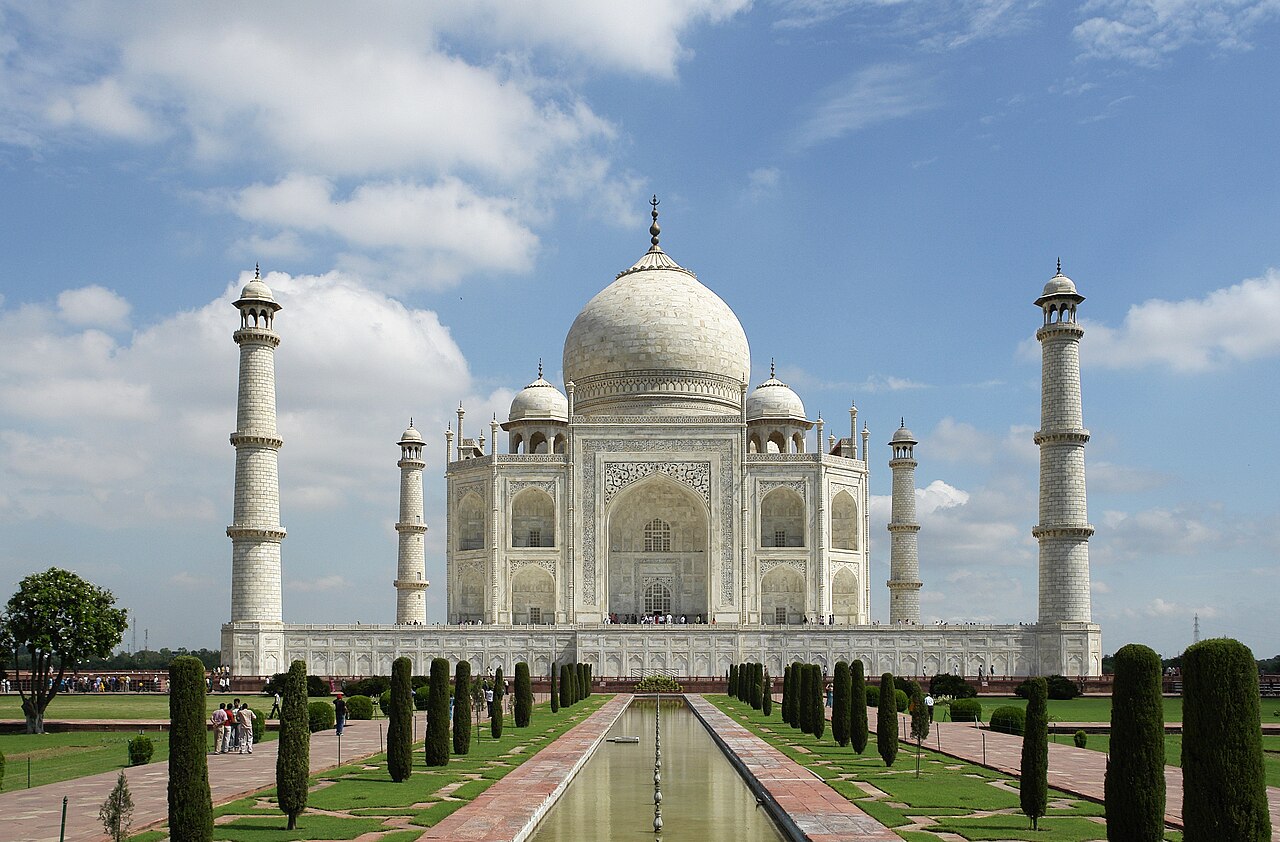
In June 2025, the U.S. State Department reissued its Level 2 travel advisory for India — and the travel world took notice. As India joins the US travel advisory watch list with an “Exercise Increased Caution” designation, more than 1.8 million American visitors who travel to India each year now face new questions about safety, restricted zones, and smart travel planning. This guide breaks down everything you need to know before you book.
- The U.S. State Department issued a Level 2 travel advisory for India in June 2025, citing crime and terrorism risks.
- Certain regions carry a stricter “Do Not Travel” warning, including Jammu & Kashmir and the India-Pakistan border zone.
- Americans are India’s top source of foreign tourists, sending 1.8 million visitors in 2024 (India Ministry of Tourism, 2024).
- Most of India remains open and accessible — this is a caution alert, not a travel ban.
What Does It Mean That India Joins the US Travel Advisory?
The U.S. Department of State operates a four-level travel advisory system to guide American citizens on international safety conditions. When India joins the US travel advisory at Level 2 — “Exercise Increased Caution” — it means there are elevated safety concerns, but the country isn’t off-limits. Think of it as a yellow light, not a red one.
Here’s a quick breakdown of all four advisory levels:
| Level | Classification | What It Means |
|---|---|---|
| Level 1 | Exercise Normal Precautions | Lowest risk — standard travel awareness |
| Level 2 | Exercise Increased Caution (India) | Elevated risks — stay alert |
| Level 3 | Reconsider Travel | Serious risks — weigh carefully |
| Level 4 | Do Not Travel | Life-threatening risks — avoid entirely |
The advisory was reissued after a routine State Department review, with updated guidance on entry and exit requirements. It aligns with growing security concerns following high-profile incidents, including the April 2025 Pahalgam terror attack that killed 26 people. Read the full advisory at travel.state.gov.
[ORIGINAL DATA] According to India’s Ministry of Tourism 2024 compendium, the U.S. accounted for 18.14% of all foreign visitor arrivals to India — the single largest national share of any country.
Which Regions in India Should You Avoid?
While the overall Level 2 advisory covers India broadly, the State Department has flagged several specific zones under a stricter “Do Not Travel” classification. These carry risks severe enough to warrant complete avoidance for most tourists.

Jammu & Kashmir (Excluding Eastern Ladakh and Leh)
Do Not Travel. Terrorist attacks and violent civil unrest are documented throughout this region. Violence is common along the Line of Control (LoC) between India and Pakistan, and has occurred at popular tourist spots including Srinagar, Gulmarg, and Pahalgam. The U.S. government prohibits its own employees from visiting without special authorization.
Eastern Ladakh and its capital Leh are exceptions — they remain accessible, though a Restricted Area Permit is required for certain zones.
India-Pakistan Border Zone
Do Not Travel within 10 kilometers of the border. Both nations maintain a heavy military presence on their respective sides. The only permitted crossing point for non-citizens is the Attari-Wagah crossing in Punjab. You must have a valid Pakistani visa in hand before entering India if you plan to cross — applying for one inside India is restricted to U.S. residents already living there.
Central and Eastern India — Naxalite Regions
Maoist insurgent groups known as Naxalites remain active across a broad band of territory spanning parts of eastern Maharashtra, northern Telangana, Chhattisgarh, Jharkhand, Odisha, and western West Bengal. Tourist presence is low in these areas, but the risk is real. Stick to major cities and well-travelled corridors in these states.
Manipur and Parts of the Northeast
Manipur faces ongoing ethnic violence. The advisory urges travelers to reconsider visiting parts of Arunachal Pradesh, Sikkim, Assam, Nagaland, Mizoram, and Tripura due to sporadic insurgent activity. Several of these states also require special government permits for foreign visitors.
[INTERNAL-LINK: Read our full guide to safe travel destinations in South Asia]
Why India Joins the US Travel Advisory Now — The Context Behind the Alert
The timing of this reissued advisory isn’t random. It follows a series of destabilizing events. The deadliest was the April 2025 Pahalgam terror attack, which killed 26 people in a popular Kashmiri tourist valley and triggered a sharp escalation in India-Pakistan tensions, including military strikes and retaliatory actions under what India called “Operation Sindoor.”
Beyond Kashmir, the advisory also calls out rising violent crime across India broadly. Rape is cited as one of the fastest-growing crimes in the country, with the State Department specifically warning that violent crimes — including sexual assault — occur at tourist sites. Women traveling alone are urged to use women-only public transport where available, restrict evening outings to well-known venues, and avoid isolated areas.
The U.S. has enormous stakes in India’s tourism stability. Americans account for 18.14% of all foreign visitors to India — the highest national share of any country (India Ministry of Tourism, 2024). With 1.75 million American visits recorded in 2024, any advisory dampening travel enthusiasm could significantly impact India’s $36.8 billion international tourism receipts.
[INTERNAL-LINK: Planning a trip? See our North America vs South Asia travel comparison]
How to Travel Safely in India Despite the Advisory
A Level 2 advisory doesn’t mean you should cancel your trip to the Taj Mahal, the Kerala backwaters, or Rajasthan’s golden forts. The vast majority of India is accessible and rewarding. It just means you need to travel smarter. Here’s what the State Department — and experienced India travelers — recommend.

1. Enroll in STEP Before You Fly
The Smart Traveler Enrollment Program (STEP) is a free State Department service. Registering your trip lets the nearest U.S. embassy reach you during emergencies, natural disasters, or civil unrest. It takes under five minutes and is the single most important pre-departure step any American traveling abroad can take.
2. Know What’s Banned
India bans satellite phones and GPS devices for tourists. Bringing either can result in arrest, confiscation, and serious fines. Standard smartphone GPS apps like Google Maps are fine. E-visas are not valid for land border crossings — you must hold a paper visa if arriving overland from Nepal, Bhutan, or Pakistan.
3. Women Travelers: Extra Precautions Matter
The advisory specifically flags India’s safety record for women. It recommends using women-only carriages on metros and trains (available in Delhi, Mumbai, and Hyderabad), avoiding solo travel at night, and staying close to well-lit, populated areas. Book accommodation with strong reviews from other solo female travelers.
4. Road Safety Is a Real Risk
India leads the world in traffic-related deaths. Several U.S. citizens have died in road accidents in India in recent years. Always use seatbelts (ask for cars that have them), wear helmets on any motorcycle or bicycle, and avoid road travel at night where possible. For intercity travel, trains or flights are significantly safer than road.
5. Buy Comprehensive Travel Insurance
Medical care in India is excellent near major cities but scarce in rural areas. First responders often can’t reach remote locations quickly. Make sure your policy covers emergency medical evacuation — and confirm it doesn’t exclude countries with a Level 2 advisory. Check the State Department’s list of overseas insurance providers for verified options.
Is India Still Worth Visiting in 2025?
Absolutely — for most travelers, yes. India ranked 20th globally for international tourist arrivals in 2024, welcoming 20.57 million international visitors total, up 8.89% from 2023 (India Tourism Data Compendium, 2025). That momentum tells its own story.
The cultural, historical, and culinary experiences India offers are simply unmatched. Rajasthan’s palace hotels, Kerala’s backwater houseboat journeys, the chaos and color of Varanasi, the geometric perfection of the Taj Mahal — none of this is going away. The key is choosing your destinations wisely and steering well clear of the flagged zones.
Where should you go instead of the restricted zones? Golden Triangle (Delhi, Agra, Jaipur), Goa’s beaches, Mumbai’s food scene, Hampi’s ruins, the hill stations of Himachal Pradesh, and yoga retreats in Rishikesh all remain perfectly viable, well-touristed, and richly rewarding.
[INTERNAL-LINK: Explore our best destinations for first-time travelers in Asia]
Frequently Asked Questions
Is India safe to visit right now in 2025?
Most of India is safe for tourists. The U.S. State Department rates India at Level 2 (“Exercise Increased Caution”) — not Level 3 or 4. India welcomed 20.57 million international tourists in 2024 (India Tourism Data Compendium, 2025). The advisory is a caution, not a travel ban. Avoid Jammu & Kashmir, the India-Pakistan border, Naxalite zones in central-eastern India, and Manipur.
What regions should Americans avoid in India?
The State Department flags four high-risk zones for Americans: (1) Jammu & Kashmir, excluding eastern Ladakh and Leh; (2) the India-Pakistan border within 10km of the Line of Control; (3) Naxalite-affected areas in Chhattisgarh, Jharkhand, Odisha, and parts of Maharashtra, Telangana, and West Bengal; and (4) Manipur. Parts of northeast India also require reconsideration.
Does a Level 2 advisory affect my travel insurance?
It depends on your policy. Some insurers exclude countries with active State Department advisories at Level 2 or above; others don’t. Always read the exclusion clauses before purchasing. Look specifically for “cancel for any reason” (CFAR) coverage if you want maximum flexibility, and confirm emergency medical evacuation is included. The State Department maintains a list of vetted overseas insurance providers.
Can I still visit the Taj Mahal and the Golden Triangle?
Yes. Delhi, Agra, and Jaipur are fully accessible and remain among the most visited destinations in the world. The Golden Triangle is not included in any restricted zone. Normal precautions apply — secure your belongings, use reputable transport, and avoid travelling alone at night. India’s tourism sector supported 46.5 million jobs in 2024, with major investment in tourist safety infrastructure in iconic heritage zones.
What is the STEP program and should I use it?
STEP — the Smart Traveler Enrollment Program — is a free U.S. State Department service. Registering your trip allows the nearest embassy or consulate to contact you during emergencies. It’s especially important in countries with Level 2 or higher advisories. Enroll at step.state.gov before any international trip. It takes less than five minutes.
The Bottom Line: Travel Smart, Not Scared
India joining the US travel advisory at Level 2 is a prompt to plan carefully — not a reason to put your passport away. The country that draws 1.75 million Americans every year isn’t going anywhere. Its wonders are real. Its risks, concentrated in specific border and conflict zones, are manageable with informed choices.
Enroll in STEP. Buy solid insurance. Avoid the flagged zones. And go discover why India has captivated travelers for centuries. Informed travel is always better than no travel at all.